भाषा निवडा

Industrial unmanned aerial vehicles have rapidly shifted from experimental tools to essential assets across infrastructure inspection, energy operations, mining surveillance, logistics coordination, and emergency response. As यूएव्ही अर्जs become more demanding, the focus is no longer limited to flight stability or sensor accuracy. The human interface—especiसर्वy the remote control grip—has become a decisive factor in operational reliability.
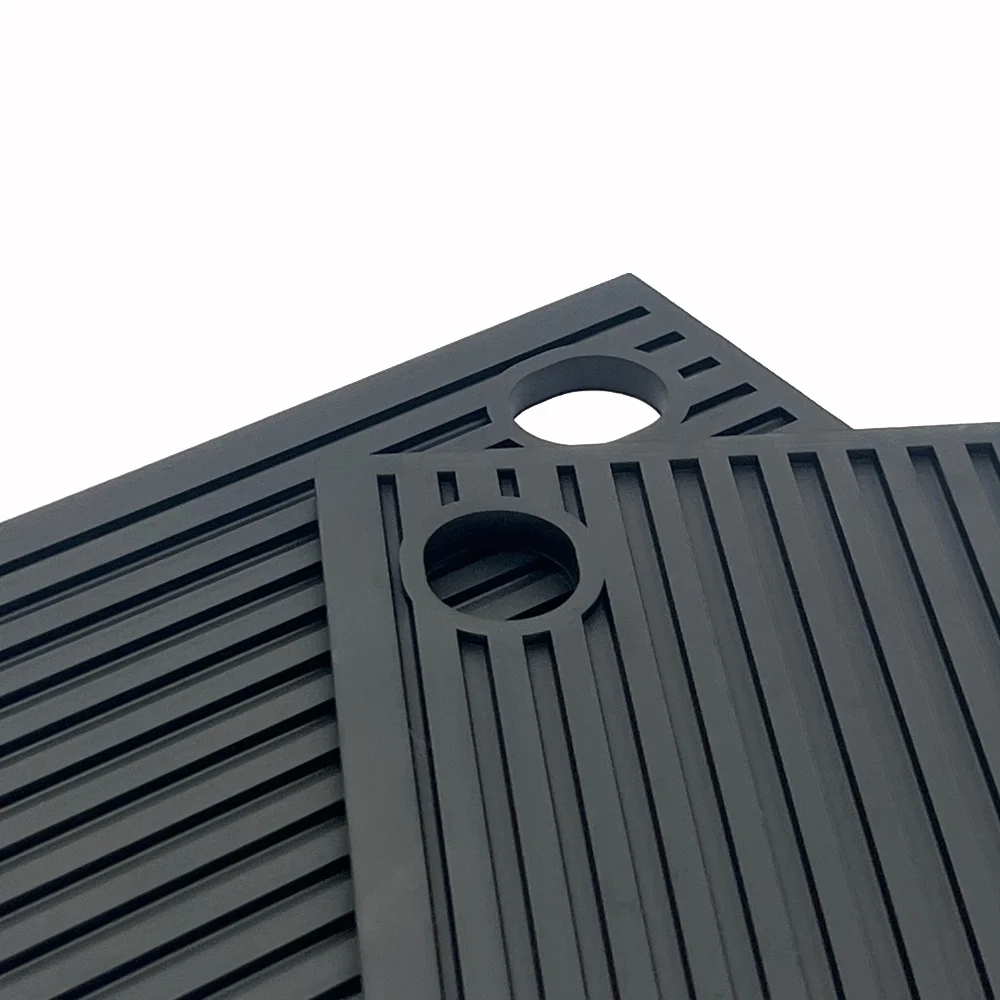
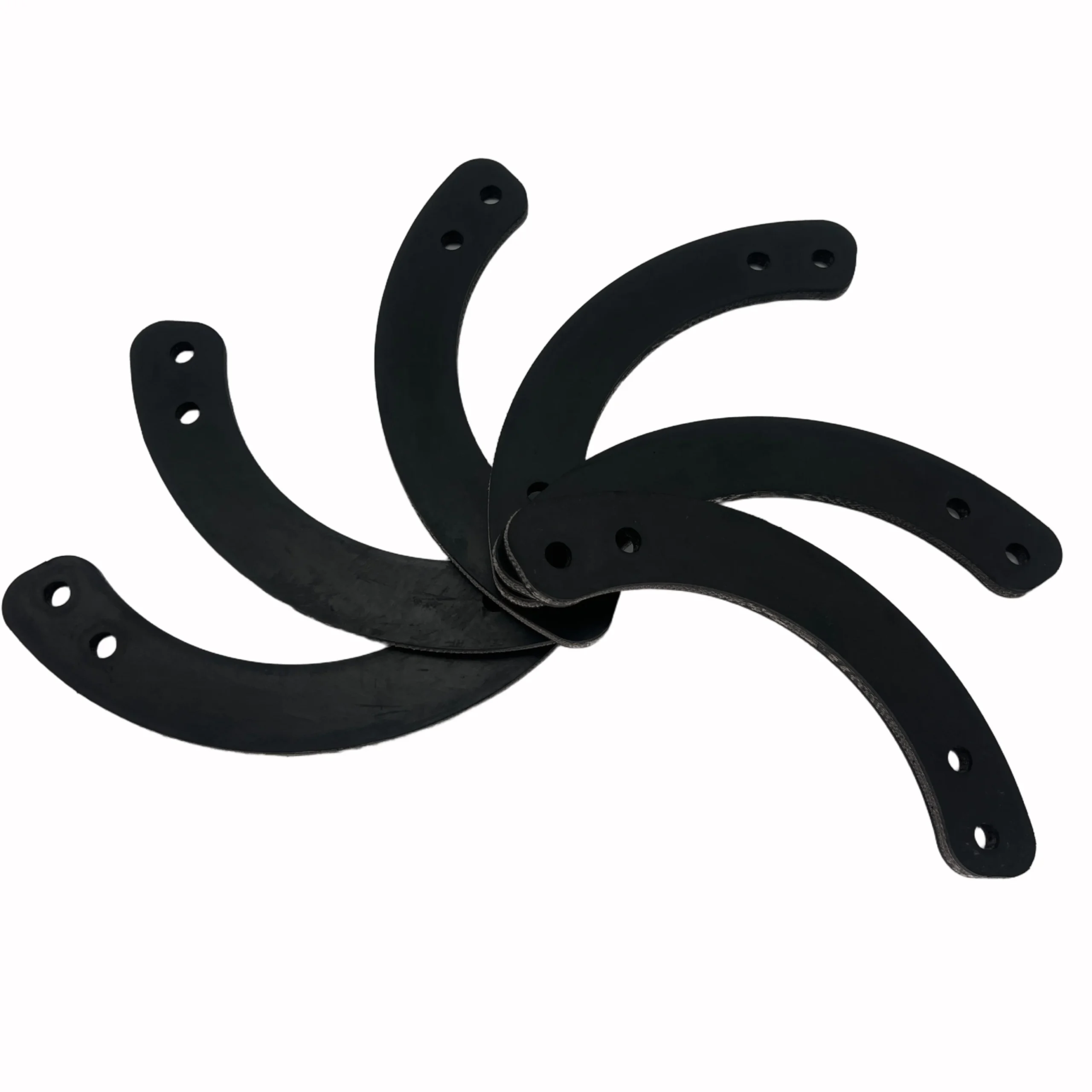
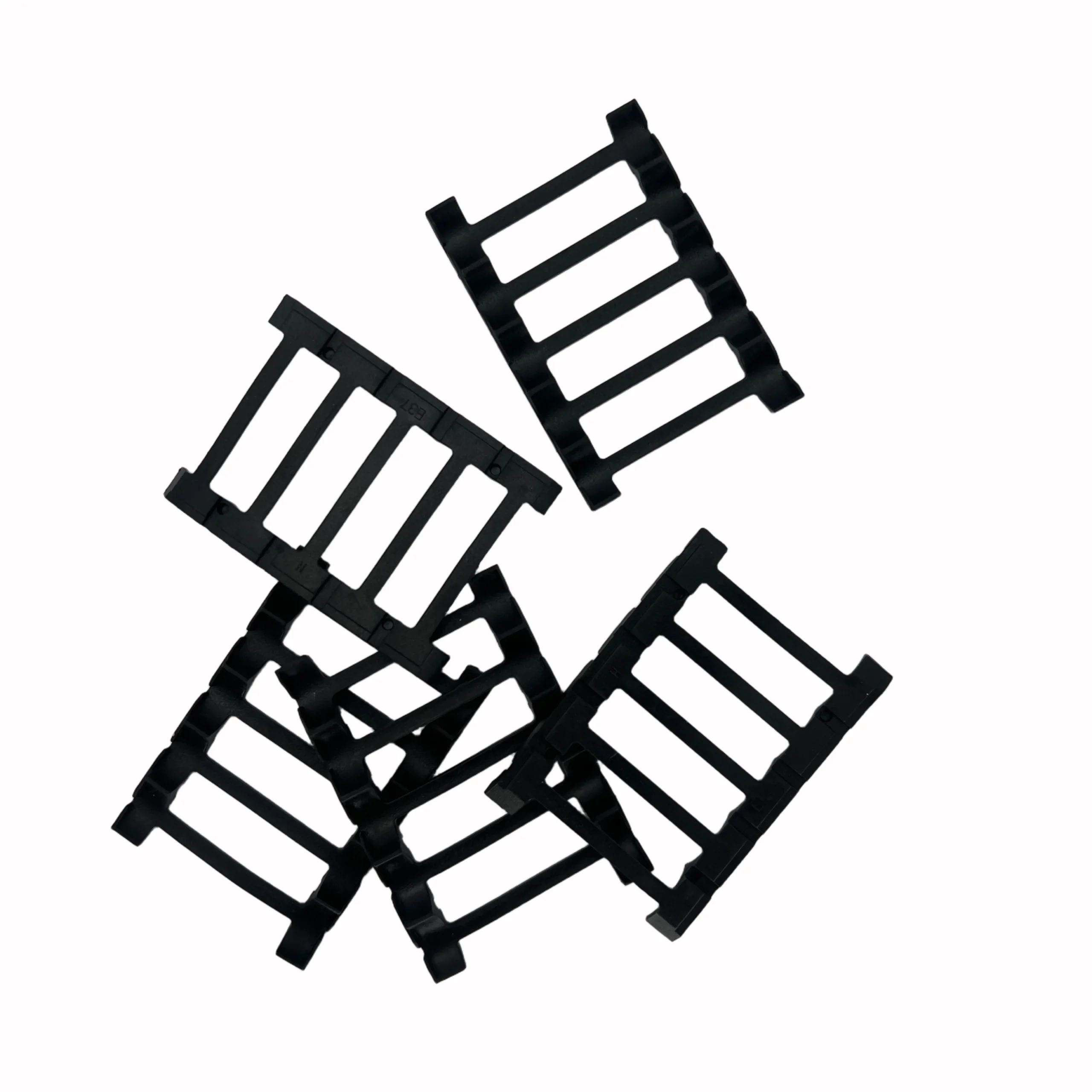
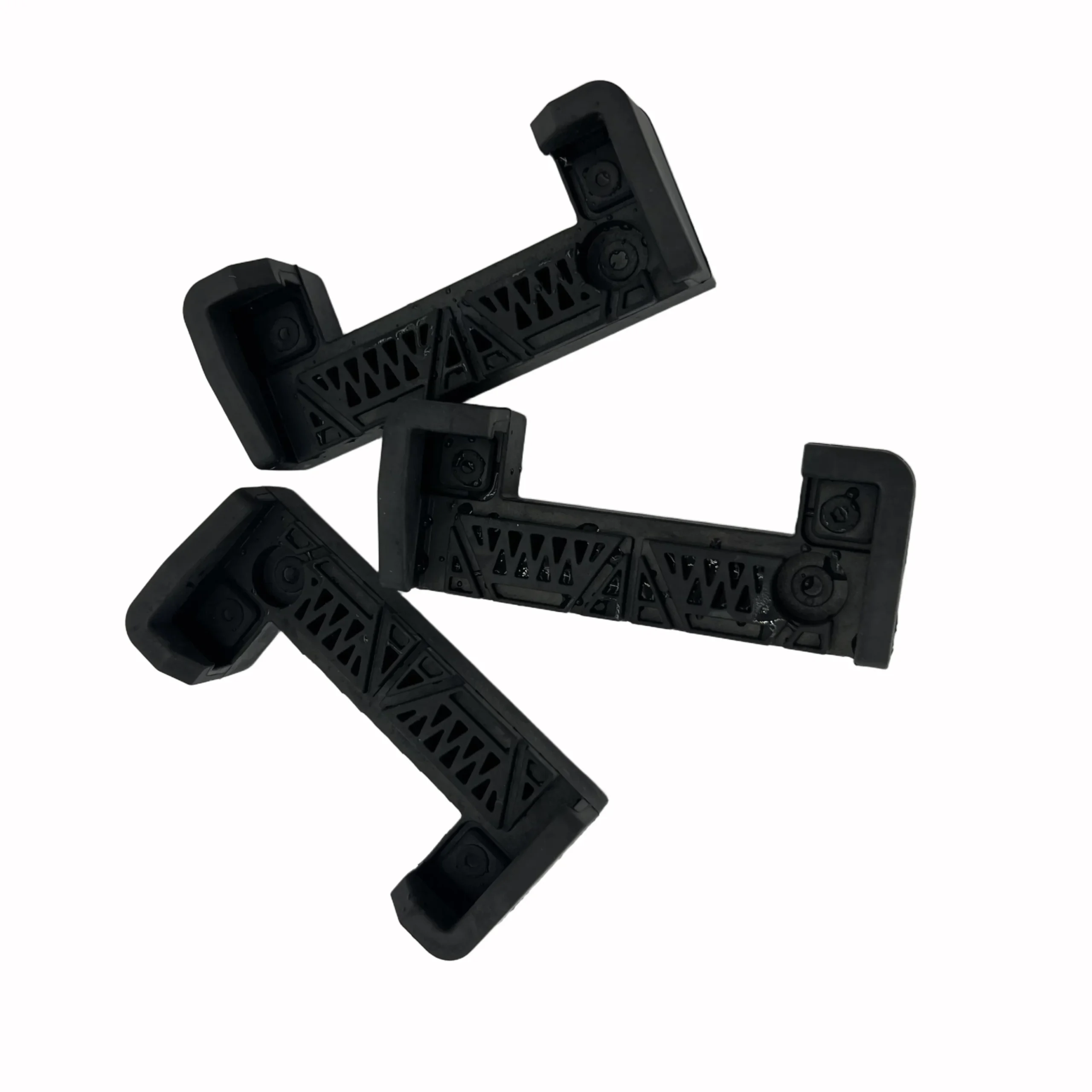
Among the most critical components in this interface is the industrial यूएव्ही remote control rubber grip, which directly influences operator control precision, comfort, and long-term usability in harsh working environments. In heavy-duty scenarios wयेथे यूएव्हीs are used continuously under chसर्वenging conditions, the quality of the grip material and its structural design can significantly impact mission efficiency and safety outcomes.

Why Industrial यूएव्ही Remote Control Rubber Grip Matters in Heavy Duty Operations
Industrial यूएव्ही missions are rarely conducted in controlled environments. Operators often work in outdoor fields, elevated platforms, construction sites, and environments exposed to dust, vibration, temperature variation, and humidity. In these conditions, maintaining stable control input is essential.
An industrial यूएव्ही remote control rubber grip is designed to ensure consistent hand stability even when external conditions are unfavorable. Unlike rigid or smooth plastic surfaces, rubber-based grips provide controlled friction that helps मागीलent slippage during operation. This becomes especiसर्वy important when operators wear protective gloves or work in wet environments.
Heavy-duty यूएव्ही operations often require prolonged control sessions. Without proper grip design, operator fatigue can quickly develop, leading to reduced precision and slower reaction times. Rubber grips help distribute pressure more evenly across the hand, reducing strain and supporting sustained control accuracy over long periods of use.
The Role of EPDM Controller Grip Material in Harsh Environments
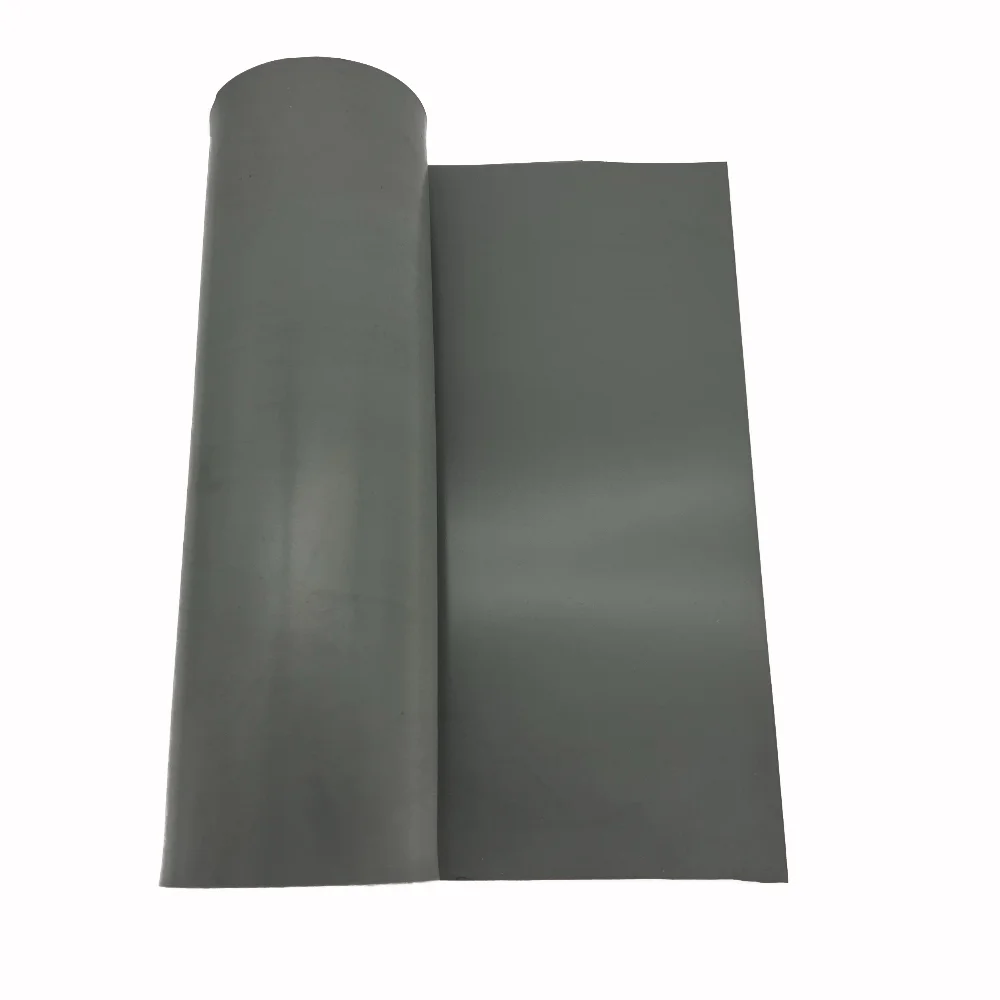
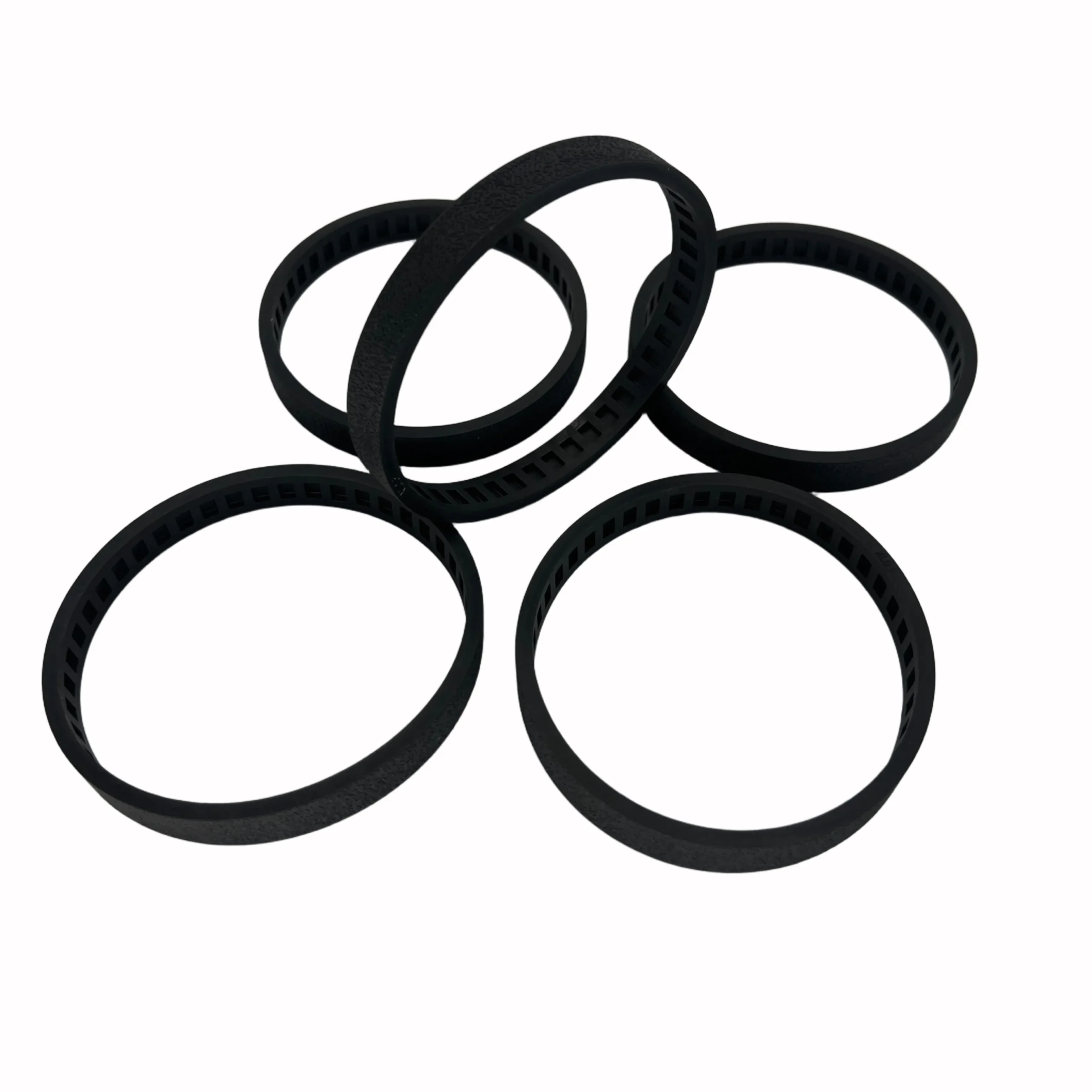
Material selection is one of the most important factors determining the durability of यूएव्ही control systems. The EPDM controller grip has become a preferred उपाय for industrial अर्जs due to its excellent resistance to environmental stress.
EPDM, or ethylene propylene diene monomer rubber, is widely recognized for its stability under exposure to heat, moisture, and environmental aging. In industrial यूएव्ही operations, controllers may be exposed to direct sunlight, rain, dust, or fluctuating temperatures. Mकोणतीही conventional materials degrade under these conditions, losing elasticity or becoming brittle over time.
An EPDM controller grip maintains its structural integrity even after prolonged exposure to demanding environments. This ensures that the tactile performance of the grip remains consistent throughout its service life. The material’s resilience also helps reduce maintenance frequency, making it a practical choice for organizations that rely on यूएव्ही systems for continuous field operations.
In जोडाition to durability, EPDM provides a balanced surface feel that supports secure handling without excessive hardness. This balance is essential for maintaining both comfort and control precision in professional यूएव्ही अर्जs.
How Drone Handle Design Influences Operator Control Stability
While यूएव्ही technology often emphasizes aerial performance, the ground-based control system खेळाs an equसर्वy important role in mission success. The drone handle is the primary point of physical interaction between operator and machine, making its design a critical factor in control stability.
A well-designed drone handle must support natural hand positioning while minimizing unnecessary movement. In industrial environments, even smसर्व inconsistencies in grip positioning can affect input accuracy, particularly during precision operations such as infrastructure inspection or aerial mapping.
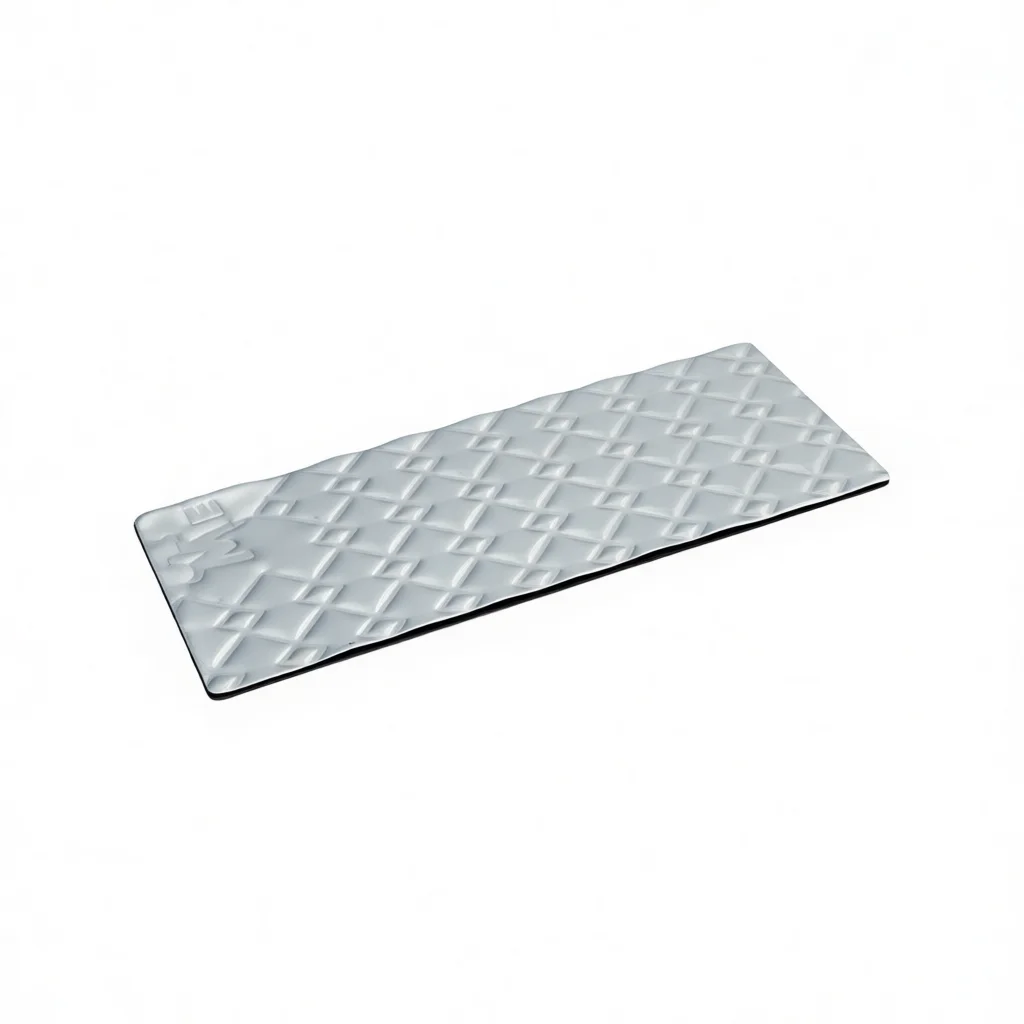
The surface texture of a drone handle contributes significantly to control confidence. A carefully engineered rubber surface सर्वows for secure contact without requiring excessive gripping force. This reduces fatigue and सर्वows operators to maintain smooth, controlled inputs throughout long mission cycles.
In heavy-duty अर्जs, wयेथे यूएव्हीs may be deployed repeatedly across different sites in a single operational period, the consistency of the handle design ensures that operators can maintain familiar control behavior regardless of environmental changes.
Why Industrial यूएव्ही Remote Control Rubber Grip Enhances Long-Term Reliability
Durability is a key requirement in industrial यूएव्ही अर्जs. Equipment must withstand repeated use, environmental exposure, and mechanical stress without performance degradation.
The industrial यूएव्ही remote control rubber grip contributes to long-term reliability by maintaining consistent elasticity and surface integrity. Rubber materials are capable of absorbing minor impacts and reducing wear on the controller housing itself.
Over time, repeated handling can lead to surface degradation in low-quality materials, resulting in reduced grip effectiveness and operator discomfort. High-quality rubber grips, however, are engineered to resist cracking, hardening, and surface wear, ensuring stable performance throughout extended operational lifecycles.
This durability not only improves user experience but also reduces the need for frequent replacement, which is particularly valuable in large-scale industrial यूएव्ही deployments.
EPDM Controller Grip Performance in Continuous Field Operations
In continuous field operations, यूएव्ही controllers may be used for extended hours under varying environmental conditions. The EPDM controller grip performs well in these scenarios due to its ability to maintain consistent physical properties over time.
Unlike materials that soften or degrade under heat exposure, EPDM maintains its shape and flexibility. This ensures that operators experience consistent feedback regardless of how long the device is in use.
Another important factor is resistance to environmental contaminants. Dust, moisture, and oils commonly encountered in industrial environments can affect surface performance. EPDM’s material characteristics help reduce the impact of these contaminants, ensuring that grip performance remains stable even in chसर्वenging conditions.
For organizations that rely on यूएव्ही systems for continuous monitoring or inspection tasks, this consistency is essential for maintaining operational reliability.
FAQ बद्दल Industrial यूएव्ही Remote Control Rubber Grip
Why Is Industrial यूएव्ही Remote Control Rubber Grip Important in Heavy Duty Use?
An industrial यूएव्ही remote control rubber grip provides stable handling, reduces slippage, and improves operator comfort during long-duration industrial यूएव्ही missions.
What Makes an EPDM Controller Grip Suitable for Industrial यूएव्ही Systems?
An EPDM controller grip offers strong resistance to heat, moisture, and environmental aging, making it ideal for harsh industrial and outdoor यूएव्ही अर्जs.
How Do Drone Handles Affect यूएव्ही Control Performance?
A drone handle influences control accuracy and operator stability by providing a secure and ergonomic interface between the user and the controller system.
Why Are यूएव्ही Handles Critical in Industrial Operations?
यूएव्ही handles enhance operational consistency and reduce fatigue, सर्वowing operators to maintain precise control in demanding industrial environments.
Does Industrial यूएव्ही Remote Control Rubber Grip Improve Long-Term Durability?
Yes, an industrial यूएव्ही remote control rubber grip improves durability by resisting wear, maintaining elasticity, and ensuring consistent performance over extended use.
Industrial unmanned aerial vehicles have rapidly shifted from experimental tools to essential assets across infrastructure inspection, energy operations, mining surveillance, logistics coordination, and emergency response.